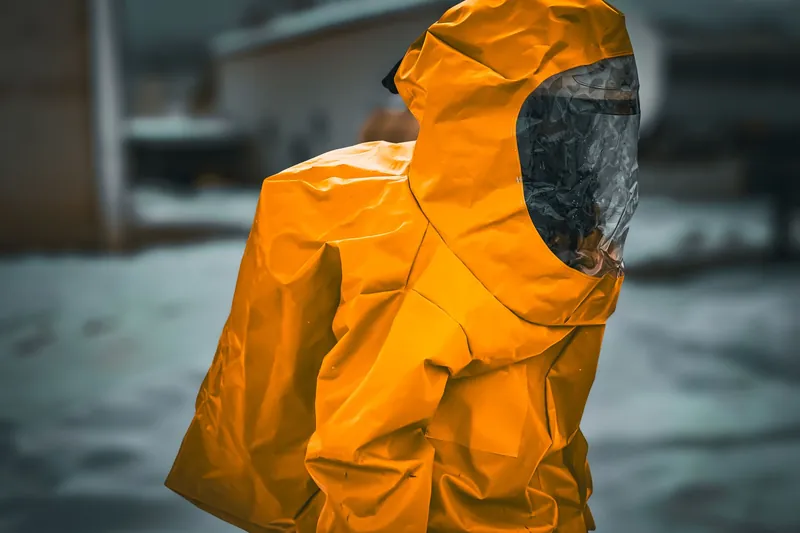
Biohazard Cleanup
Blood, body fluids and other infectious materials are removed, followed by property disinfection.
See biohazard cleanupGet biological contamination removed from a home, apartment, rental or business near Marlborough Heights. Cleanup can include containment, material removal, disinfection, waste disposal and odor treatment.
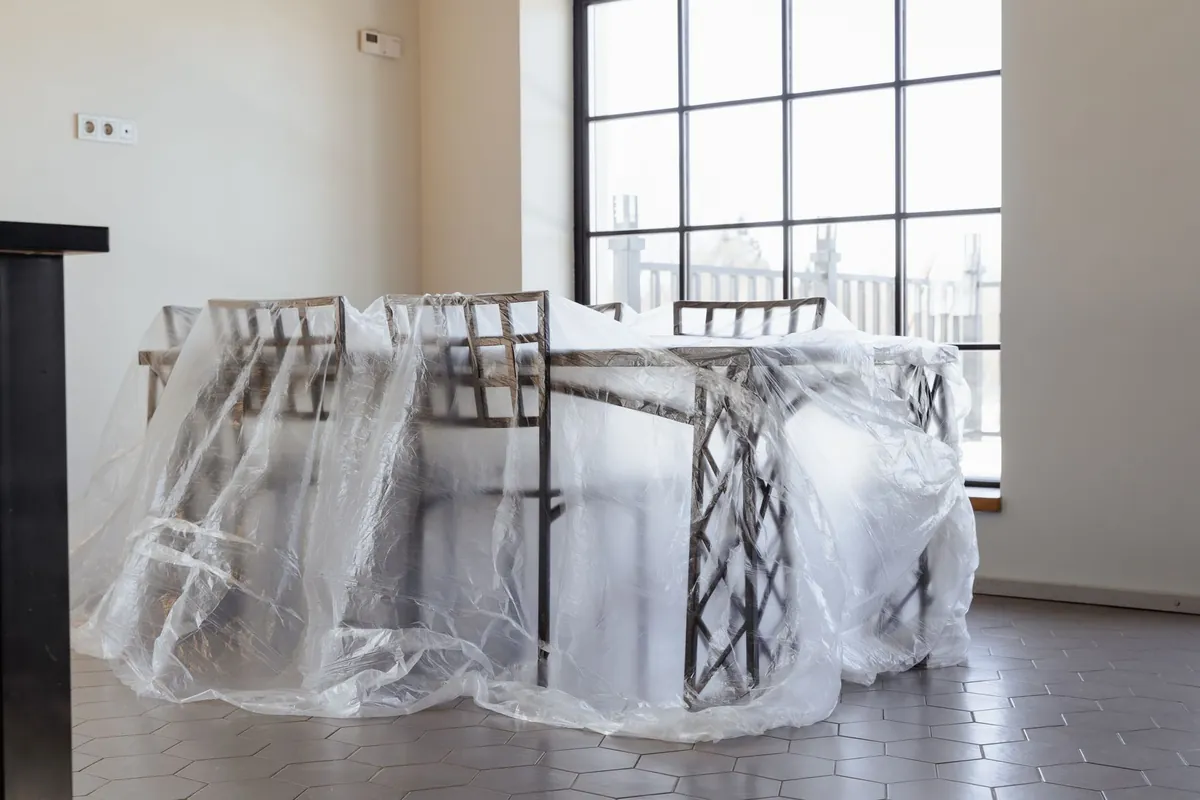
Biohazard remediation returns a contaminated space to use by controlling and removing biological material, cleaning surfaces, applying disinfectant, disposing of waste and treating odor.
Material that could expose you to dangerous microorganisms or toxins is a biological hazard. Examples on a property include sewage, animal waste, human waste, blood, bodily fluids and material affected by infectious illness. Unlike ordinary cleaning, this work must account for contamination that reaches hidden places such as carpet, padding, drywall seams and unfinished wood.
The first part of biological remediation is locating every affected area. Work may then involve containment, cleaning, removal, disinfection and treatment for odor. An EPA-registered disinfectant stays on cleanable surfaces for its labeled contact time. Any porous material that cannot be completely disinfected is packaged, removed and disposed of according to applicable state rules. Only after removing the source does odor control begin.
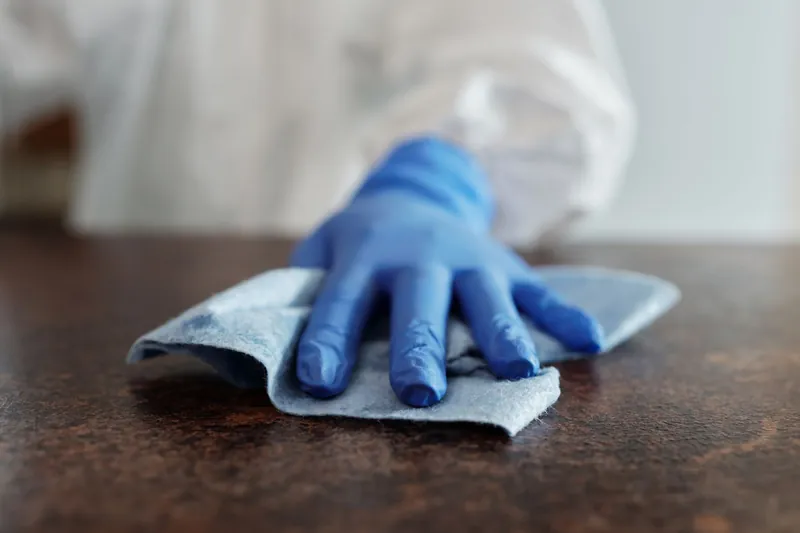
The biohazard remediation company should clarify where contamination exists, which materials can be cleaned, what might come out and which repairs are separate. When comparing biohazard remediation companies, ask who sets the scope and which cleanup technicians will enter the work zone.
You may mark keepsakes and essential documents before workers move belongings. Belongings need separation based on whether cleaning is possible or they remain unaffected.
Photos, scope details, invoices and waste paperwork can help you describe the loss to a landlord, manager or adjuster after cleanup.
Unmarked vehicles are used when crews arrive. You can ask how access, parking and movement of materials will be managed around neighbors, tenants or staff.
Remediation is appropriate if a biological contaminant may present a touch hazard, extends past a small cleanable spot or has penetrated porous material. When an emergency response or law enforcement activity is ongoing, leave the area alone until its release. Because the required scope varies with each event, common situations include:
Through biological cleanup, odor left behind indoors and contaminated contents, blood and bodily fluids can be addressed once law enforcement releases the scene.
Flooring, walls, furnishings, indoor air and subfloor can be affected by an unattended death. The cleaning process includes sorting personal belongings with care.
Controlled removal may be necessary for sharps, spoiled food, human or animal waste and contaminated personal property in hoarding environments.
Bodily fluids or blood may spread into upholstery, under floors and behind baseboards. A visible mark may not reveal the complete affected area.
Start by keeping yourself and others from touching the affected space. These basic steps can reduce exposure and keep contamination from being carried into rooms that are clean:
Call (888) 440-9227Published remediation costs vary because every affected area is different. Nationally, Fixr reports $3,000 to $5,000 for a typical project, and a separate pricing guide shows $1,000 to $15,000 per job as the broader span. Neither one is a quote for you. A site assessment sets the scope, and the scope sets the price.
Published national cost guides are the source for these ranges, rather than an inspection of your property. An on-site assessment determines your property's price, which is explained to you before the cleanup starts.
Ask about cost: (888) 440-9227Insurance may cover biohazard remediation if your policy covers the event that caused the loss. Since exclusions, deductibles and coverage differ, payment on your claim can be confirmed only by the insurance company. It may ask you for photographs, disposal records and a scope.
Tell the insurance company what caused the contamination, rather than reporting only a need for cleanup. Ask whether removal, disinfection, odor treatment and repairs fall within the covered loss.
Ask about your deductible, limits, exclusions, required documentation and whether repairs are treated separately from biological cleanup. Keep a record of your adjuster contact and claim number.
Property owners and businesses should check any applicable liability and building policies. Organizing the work scope, invoices, waste records and photos for your claim file can be part of insurance assistance.
The Wisconsin Department of Justice Crime Victim Compensation Program lists crime scene cleanup among covered costs, so victims of violent crime can ask about including it in a claim. Insurance is usually checked first.
The biohazard remediation process moves from assessment to containment, removal, detailed cleaning and a final check. Every step limits contact or cross-contamination, and the entire process follows the agreed scope. The order matters because disinfection cannot replace removal of material that cannot be cleaned.
The assessment includes involved rooms, surrounding surfaces and routes used for movement. The written scope identifies what may be cleaned or removed and where protection is needed.
Physical barriers divide clean areas from the work zone. Crew members use personal protective equipment suited to the exposure and control movement between zones.
Surface cleaning starts only after workers collect visible material and sharps. Workers place sharp objects in puncture-resistant containers and package contaminated porous materials apart from them.
Materials such as drywall, carpet, padding, insulation, furniture upholstery or subfloor sections are taken out when contamination inside them cannot be fully disinfected.
After soil is removed through cleaning, an EPA-registered disinfectant is applied to the surfaces that remain. The product label determines how long the treated surface must remain wet.
Work on odor starts once all contaminated sources have been removed. Selection of HEPA filtration or other treatments may depend on the material, room and how the space is occupied.
Workers seal removed material and add labels as required, then route it through the proper stream for medical or hazardous waste. Records can document what left the property.
A check compares the work zone with the scope that was agreed upon. Before other finishes, floors or drywall receive separate repairs, photos and remediation records can help document an insurance file.
Call any hour. You speak with a biohazard remediation specialist who outlines the process and schedules a start time with you.
Biological contamination can seriously risk your health through a splash, skin exposure, a sharp object or transfer on tools, hands and shoes.
Fluid may soak through carpet to the pad and subfloor, spread under baseboards or draw into bare wood. Treating only what you can see can leave contamination behind.
A death, injury or severe property event can be difficult for you and your loved ones to face. Cleanup crews can record the space and discuss every decision while you remain outside the affected area.
Some blood may carry bloodborne pathogens. The CDC says hepatitis B can survive on surfaces for at least seven days, so dried blood still requires careful cleaning and disinfection.
Can you clean it yourself? For a small amount of blood confined to non-absorbent hard material, restrict the area, wear single-use gloves and leave an EPA-registered disinfectant on for the label's stated contact time. Professional cleanup is appropriate if contamination involves sewage or sharps, enters fabric, carpet, drywall or bare wood, or spreads past boundaries you can identify.
Non-porous material can usually remain if all contaminated surfaces are accessible for cleaning and disinfection. When contamination goes below the surface of an absorbent material, removal may be necessary.
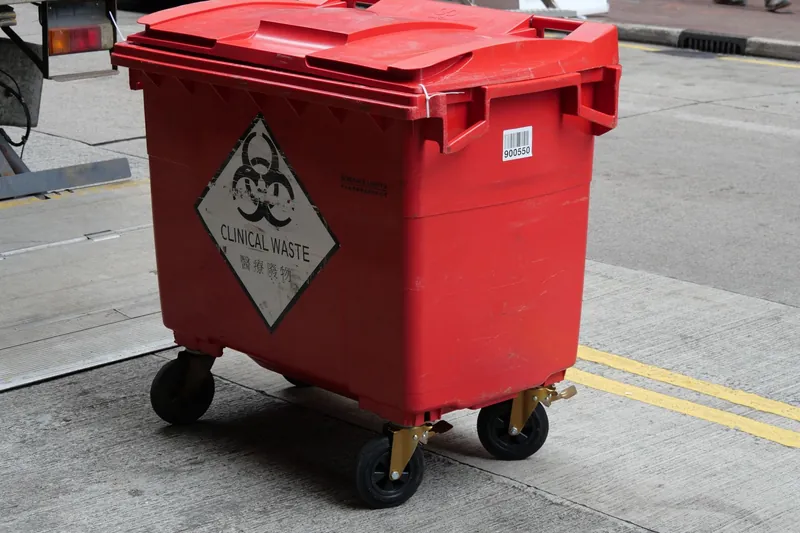
Biohazard remediation does not have one standard completion time. Duration changes with the contaminant, its travel distance, affected materials, required drying or contact time, the amount of waste and any need to open hidden spaces.
| Scene | Typical time on site |
|---|---|
| Limited surface contamination | Less time when every affected boundary is visible and the surfaces have no pores |
| Porous materials present in one or more rooms | Longer when carpet, drywall, furniture or subfloor needs controlled removal |
| Complex or hidden contamination | May require added time for containment, access, drying, odor work or testing |
To control odor from a biohazard, first identify and remove its contaminated source. Neither fragrance nor a spray applied to the surface can correct affected room contents, hidden wall waste or fluid that reached beneath flooring.
Once cleaning and source removal are finished, airborne particles can be captured with HEPA air scrubbers. A different odor method may be appropriate for the space, provided it does not substitute for disinfection and removal. Simply covering the odor while leaving its source is not complete remediation. Vents, adjoining spaces and event travel paths are checked for contamination that may remain nearby.
The full biohazard remediation guide covers what is cleaned or removed, odor and air quality work, and the rules that apply in your state.
Read the full biohazard remediation guideLocal population patterns, housing and site access may affect how containment and cleanup are planned.
At roughly 2.5 miles away, University of Wi Hospitals & Clinics Authority is the closest listed hospital for urgent care after a cut, puncture, or exposure.
Neighboring communities include Westwood, Crawford Heights, and Nakoma. If the property is near a boundary, mention the closest cross streets.
A neighborhood address can differ from its broader city label, making the full street and unit information important for discreet cleanup access.
Ask on the call about cleanup options for neighboring communities and ZIP codes.
Blood, body fluids and other infectious materials are removed, followed by property disinfection.
See biohazard cleanup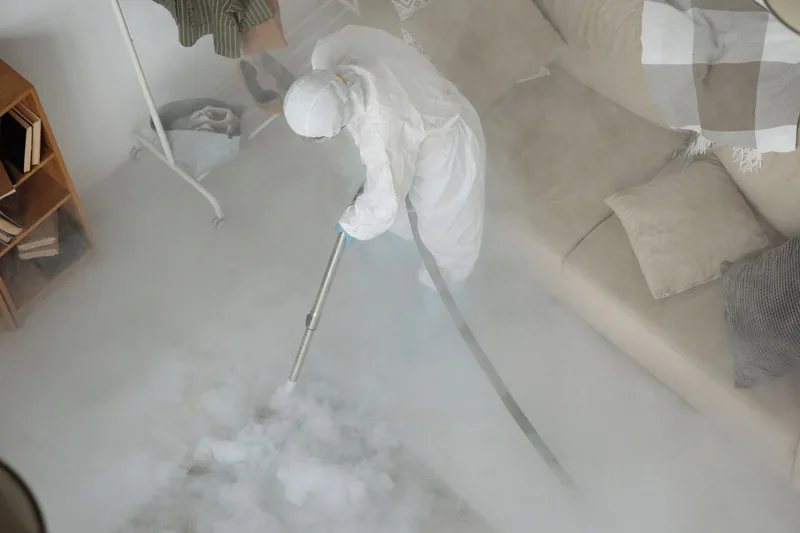
Rooms, surfaces and air receive complete decontamination following infectious or hazardous exposure.
See biohazard decontamination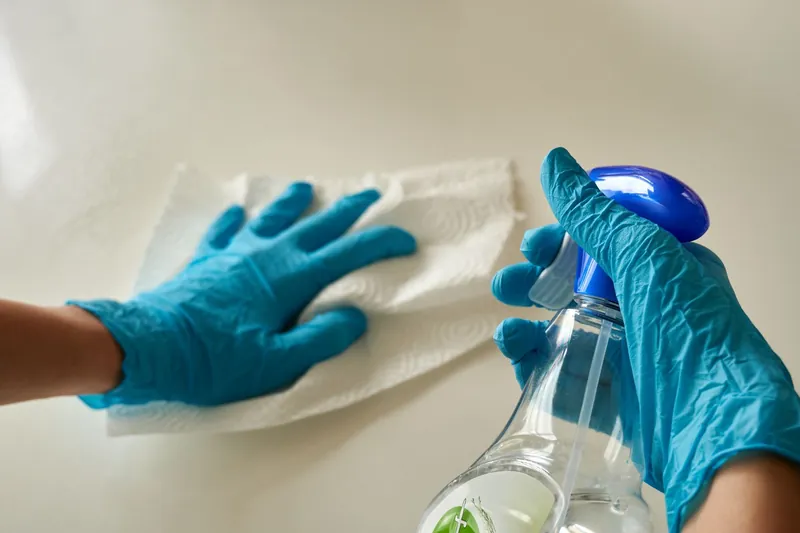
Carpet, solid floors, walls and furnishings receive blood cleanup that includes safe disposal.
See blood cleanup
During cleanup, blood exposure involving hepatitis C, HIV and hepatitis B is controlled.
See bloodborne pathogen cleanup
Bodily fluid cleanup and disinfection for homes, care settings and businesses.
See bodily fluid cleanup
Crime scene cleaning begins after police release and covers blood, odor and the affected property.
See crime scene cleanup
Decomposition cleanup and odor control are needed after a death goes unnoticed for several days.
See unattended death cleanup
Sewage cleanup removes Category 3 black water from raw sewage, then disinfects and dries the area.
See raw sewage cleanupA biological hazard is material that may expose people to harmful microorganisms or toxins. Building-related examples include animal waste, some infectious-disease contamination, human waste, sewage, blood and bodily fluids. Material type, exposure path, affected surface and degree of spread determine the risk.
Start by keeping people and pets away. Do not touch, sweep or vacuum the material. Biological hazard control can include barriers, personal protective equipment, sharps control, removal of affected porous materials, cleaning, disinfection, safe waste packaging and steps that prevent tools or shoes from carrying contamination elsewhere.
No. Tear gas and pepper spray are chemical contaminants, whereas biohazard remediation focuses on biological material such as bodily fluids, blood and sewage. Hazmat remediation is another name for hazardous materials remediation and may be appropriate for chemicals. Inside a vehicle, vehicle biohazard remediation uses the biological cleanup process. Mold and sewage remediation remain separate because a backup can leave wet materials that may grow mold.
Biohazard remediation removes biological matter after controlling the affected area, then cleans surface soil, applies an EPA-registered disinfectant for the complete contact time and directs waste to its proper stream. Biohazard cleanup involves removing source material before disinfection, with odor control and air filtration potentially following the cleaning.
Yes, dried blood should still be treated as a potential biohazard. The CDC says hepatitis B can survive on surfaces for at least seven days. Avoid bare-hand contact, sweeping or ordinary vacuuming. First clean the soil from the surface, then disinfect with an appropriate product kept in place for the full labeled contact time.
Hard, sealed furniture may be cleaned and disinfected when every affected surface is reachable. Absorbent or upholstered belongings might require removal when contamination soaks into their material. Photos, important papers and mementos can be sorted with you outside the work area before disposal choices are made.
Crews carry out respectful, discreet biohazard remediation, arrive in unmarked vehicles and take calls 24 hours a day.